My journey has been long and difficult, full of searching for answers, but finally, we have answers. While my experience is unique, I am still connected by the same hunger for more information and the hope of a future treatment. My hope is that my story can generate awareness of the full spectrum of MSD and prevent other patients and families from spending years asking questions with never any answers.

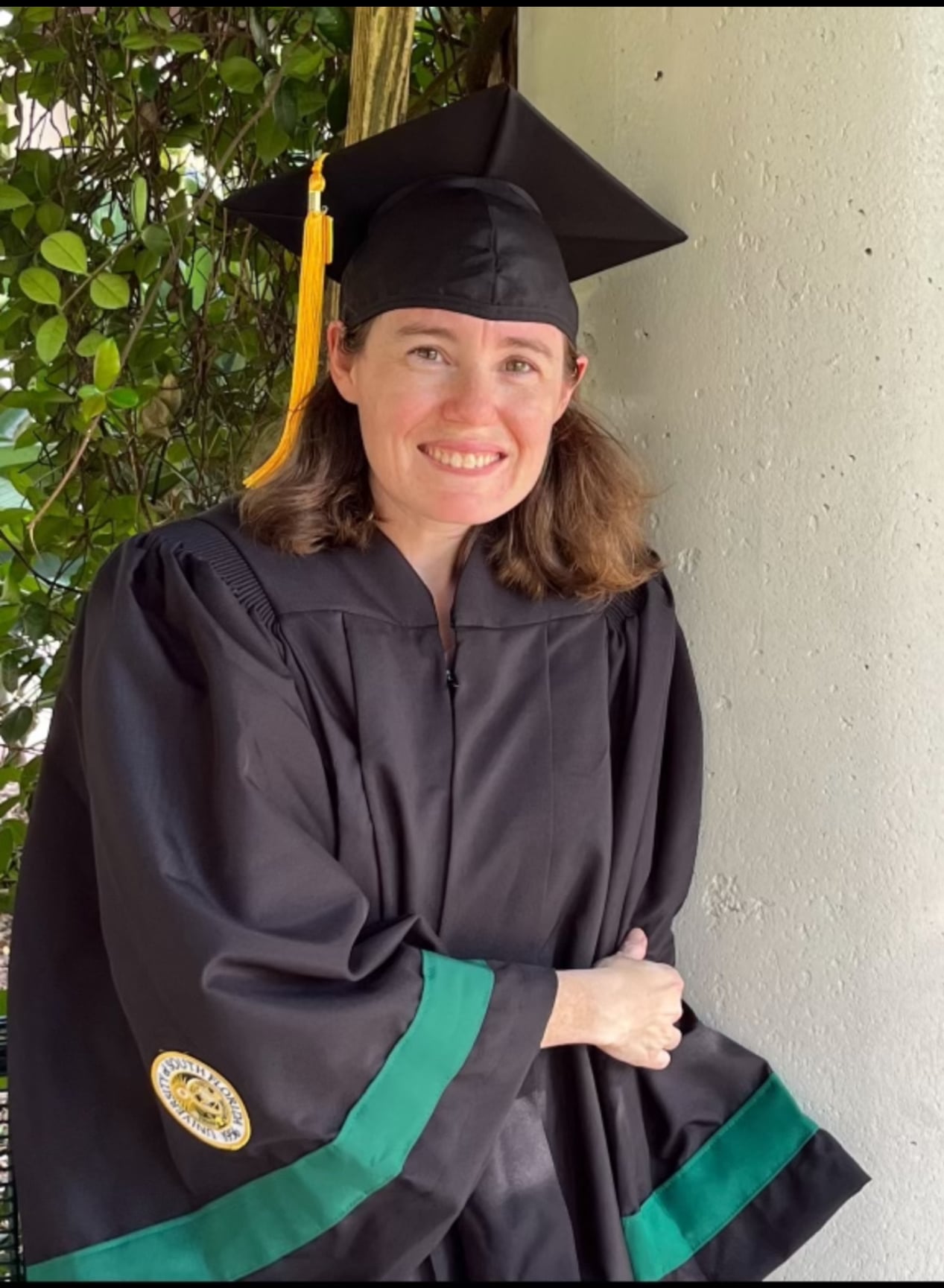


my MSD Journey
I am a patient with Multiple Sulfatase Deficiency (MSD). For me, MSD is like a secretive, hidden disease. Although I have been very fortunate to have reached adulthood and maintained my mobility, I’ve still had my share of MSD battles. My entire life has seemed like a terrible struggle. Since I was very young, I have felt like something was very different and wrong with my body. My mom also has felt this way, and we have searched for years for answers in the hopes that a treatment would follow.
I was adopted at five weeks old, after pre-eclampsia led to seizures in my birth mother, resulting in a traumatic emergency delivery. My adoptive mom, at first, thought my early infantile symptoms were the result of the lack of oxygen that I experienced during my birth. However, after years of doctor visits, lab tests, and scans, we still did not have explanations for so many of my physical and mental issues. The first thing that my mom noticed in me as an infant was a particular mustard smell that doctors could not explain. I have always been language-delayed, had insomnia, tinnitus, chronic ear infections, constipation, a lack of sensory sensations in my bladder, and focus difficulties. My spine has a gibbus deformity, and I have gallbladder stones. No explanation, if any, ever made sense, and we have spent years searching for answers.
At elementary school, I had embarrassing accidents because I could not feel when I needed to urinate. This took an emotional toll on my relationships, which even today are pretty much nonexistent. A urologist diagnosed a hypotonic bladder, leading us to a neurologist. The neurologist checked for Multiple Sclerosis and Lower Spine Feathering Syndrome, but it was negative. No lesions or muscle deterioration were found, and another dead end was reached. Searches like this continued. I spent years undergoing multiple laboratory tests and examinations and have seen more specialists than I can count, all resulting in non-answers. Symptoms of cold extremities and chronic fatigue were consistent. Later, with the onset of puberty, I developed persistent, severe adult acne requiring treatment, along with other hormonal complications resulting in periorbital dermatitis and painful, extended periods.
In 2022, I complained to my mom that I was seeing a half-moon in my eyes, which she knew was a sign of a possible retinal detachment. She contacted the retina institute, which promptly arranged an appointment with an ophthalmologist. Upon exam, it was found that the cones in my eyes were deteriorating and that the bull’s eye presence was seen, indicating retinal damage. I was referred to the Bascom Palmar Eye Institute, which confirmed the diagnosis of cone rod dystrophy and retinitis pigmentosa with approximately a 15% chance of blindness. While I received this diagnosis, they did not know why it was happening, so genetic tests focusing on ocular conditions were ordered. Finally, an answer emerged with two variants in the SUMF1 gene were identified.
Looking back, I think about my array of symptoms and conversations that I had with my mom, where we considered that perhaps I had a nerve-degenerating problem that was affecting all nerves in my body. It never occurred to me that something would turn out to be an ultra-rare neurometabolic lysosomal storage disease that affects CNS and PNS, and not just ONE enzyme affecting my nerves, but MANY enzymes. We began our frantic search when I was just a child to determine if my symptoms could be treated. But now, I have my diagnosis and am staring at the same reality of no available treatment.
Meeting with other MSD families, I find myself thankful for where I am in life. My journey has been long and difficult, full of searching for answers, but finally, we have answers. While my experience is unique, I am still connected by the same hunger for more information and the hope of a future treatment. My hope is that my story can generate awareness of the full spectrum of MSD and prevent other patients and families from spending years asking questions with never any answers. I hope something positive comes of my case and that it helps others, too.
My mom and I are grateful to have found the United MSD Foundation, which is helping increase education and research for MSD patients like myself, now and in the future.
Written by Shelly Breanna Rose

Let’s Connect
Connect with MSD families and get valuable information from medical researchers and doctors.